
Published: May 2023
Helping the accounting profession understand Cybersecurity risks
As quickly as cybersecurity practices mature, new threats, threat delivery vectors, and other schemes arise. What many people don’t realize is that identity theft is a lucrative business. Whether taxpayer identification (e.g., social security numbers), bank account information, credit card information, or healthcare information—these records have value on the dark web. Fraudsters will pay handsomely for this type of information.
As tax practitioners you have a duty to protect your clients’ information. Litigation abounds when there is a data breach, and the level of disruption from a ransomware attack can also be crippling for a small firm. It will take all of us…the IRS, state and local tax authorities, financial institutions, cybersecurity professionals, cybersecurity software vendors, IT professionals, and most of all, all of you—tax practitioners—to stop these cybercriminals. Together we can make it as difficult as possible for these criminals to get taxpayer information—giving peace of mind to our clients that they are protected when they do business with us.
In This Report You Will Learn About:
- Understanding the Cost of a Data Breach
- Tax Practitioner Cybersecurity Requirements
- What the IRS and FTC Expect of Tax Practitioners
- Going Beyond the “Security Six”: Addressing Compliance with IRS Publication 4557: Safeguarding Taxpayer Data
- Revised FTC Safeguards Rules (GLBA)
- Cybersecurity Solutions for Small Firms
- Your Cybersecurity Action Plan
Download the report to gain insight into how you can mitigate cybersecurity risk for yourself, your firm, and your clients.
More Research
External Research
2024 CPA Firm Tech Report
In this study, CPA Crossings partnered with five industry subject matter experts to identify the most common challenges to implementing and leveraging technology—and how to overcome them.
Active Research
Staffing Strategies Research
What staffing strategies are actually working in accounting today? Ongoing research from the Center for Accounting Transformation and CPA Trendlines reveals data-driven approaches helping firms navigate the talent crisis. Explore the insights.
Completed Research
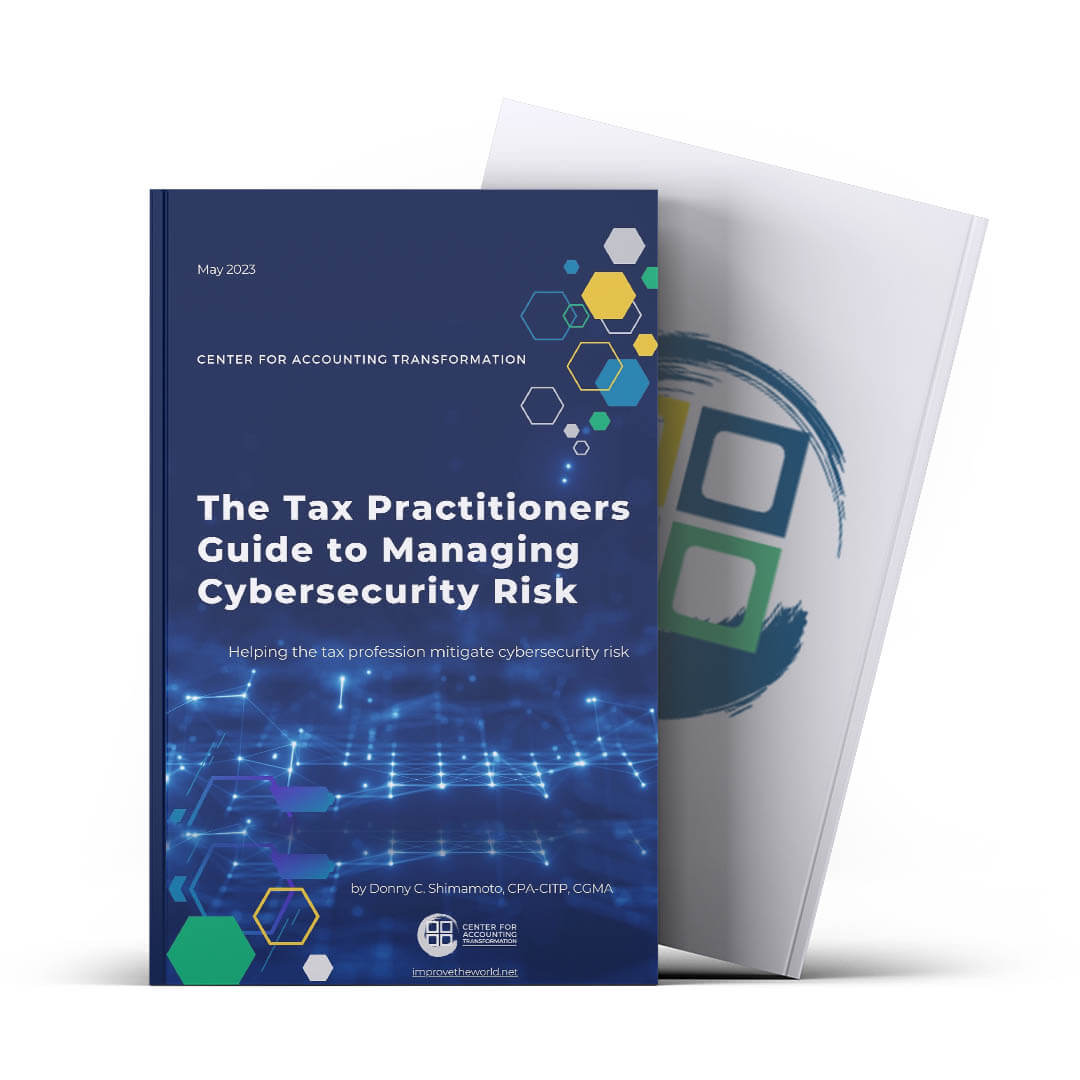
Tax Practitioner’s Guide to Managing Cybersecurity Risk
Cyber threats evolve rapidly, and stolen data remains highly valuable. Tax practitioners play a critical role in protecting client information, as breaches can be devastating. Combating cybercrime requires collective effort across the profession to strengthen defenses and build client trust.
Completed Research
The Cost of Losing Talent: Why Belonging is Essential for Firm Resilience & Growth
The 2025 Accounting MOVE Project highlights a critical moment as talent shortages, declining CPA pursuit, and leadership retirements converge. The study calls for clarity and action, showing how culture and opportunity shape who enters, stays, and advances.
Active Research
Advisory Services Research
What is advisory work really worth? New industry research reveals data that helps firms understand, communicate, and strengthen advisory value. Explore the insights and see what the data shows.
Completed Research
2025 AFP Payments Fraud and Control Survey Report
Payments fraud is rising, with 79% of organizations targeted in 2024. Insights from 500+ treasury professionals show threats evolving faster than controls, exposing gaps in prevention and recovery—and reinforcing the need for stronger, more adaptive defenses.
External Research
Re-Decoding the Decline: An Updated View of the CPA Pipeline Crisis
Using proprietary data from the Illinois CPA Society’s pipeline survey, we explore factors affecting the decision to pursue a Certified Public Accountant (CPA) credential. The survey asked about their intention to pursue a CPA, whether they expected to be a CPA, the value of the CPA, and their intention to pursue credentials other than the CPA. Using 7,780 survey responses from students and young professionals, we find that both intrinsic and external factors affect the decision to pursue a CPA certification. We also find differences in the student and non-student subsamples. We perform textual analysis using responses to open-ended questions and find that participants identify financial concerns, mental health, work-life balance, and perceived value of the credential as factors in their decision. Overall, our results provide insight into why students and young professionals choose to pursue a CPA credential and suggest areas of focus for improving the accounting pipeline.
External Research
Private Equity Is Changing Accounting & Career Paths
The 2024 Accounting MOVE Project explores how major structural shifts in public accounting—particularly the rise of private equity investment—are transforming career pathways, firm ownership models, and leadership development. The report examines how these changes affect emerging professionals while reinforcing the essential role of diversity, equity, and inclusion in strengthening talent pipelines, client relationships, and long-term firm sustainability. Building on more than a decade of research, the findings provide practical insights to help firms navigate change while fostering a more inclusive, innovative, and resilient profession.